About
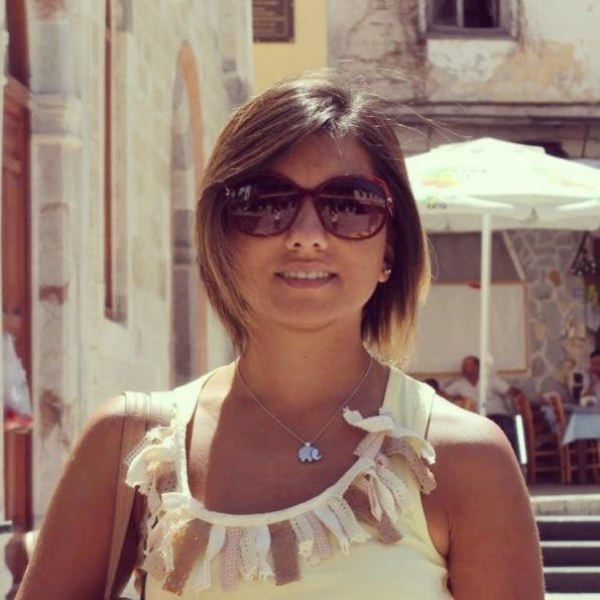
The artistic practice that began in the Department of Graphic Design at Yeditepe University Faculty of Fine Arts has evolved within an interdisciplinary field of visual thinking. The process of graphic design education enabled the artist not only to develop a technical mode of production, but also to establish an intellectual approach to form, color, space, and visual balance. The relationship formed with the structural language of design developed through the guiding power of line, the character-defining effect of typography, and the aesthetic organization of composition, while the artist’s perception of visuality deepened throughout this process.
Professional collaborations with one of Turkey’s leading graphic designers, Serdar Benli, strengthened the artist’s practice in the fields of corporate identity and visual communication. Actively participating in logotype and corporate identity processes for various brands enhanced the artist’s awareness that visual narration is not merely an aesthetic concern, but also a strategic, cultural, and psychological structure. This experience became one of the foundational elements behind the strong visual memory and layered narrative structure evident in the artist’s works.
At the same time, painting has always maintained its presence within the artist’s practice as a more introspective and intuitive field. An interest in painting that began in childhood gradually transformed into a more conscious artistic language throughout the academic process. In particular, the poetic use of color in the works of Fevzi Karakoç, the narrative subtlety of Ayşegül İzer, the metaphorical line language of Gürbüz Doğan Ekşioğlu, the theoretical approach to contemporary art developed by Marcus Graf, and the critical perspective of Kaya Özsezgin have all served as important references nourishing the artist’s visual thinking.
The artist’s practice takes shape through the permeable relationship established between the disciplined structure of graphic design and the free, intuitive realm of painting. The emergence of typographic sensitivities, surface organizations, and layered compositional approaches within the works reveals the transformation of a design-oriented perspective into a painterly language. In this context, the works aim not merely to produce an aesthetic image, but to open a conceptual space for reflection on visual memory, personal experience, perception, and the rhythms of contemporary life.